
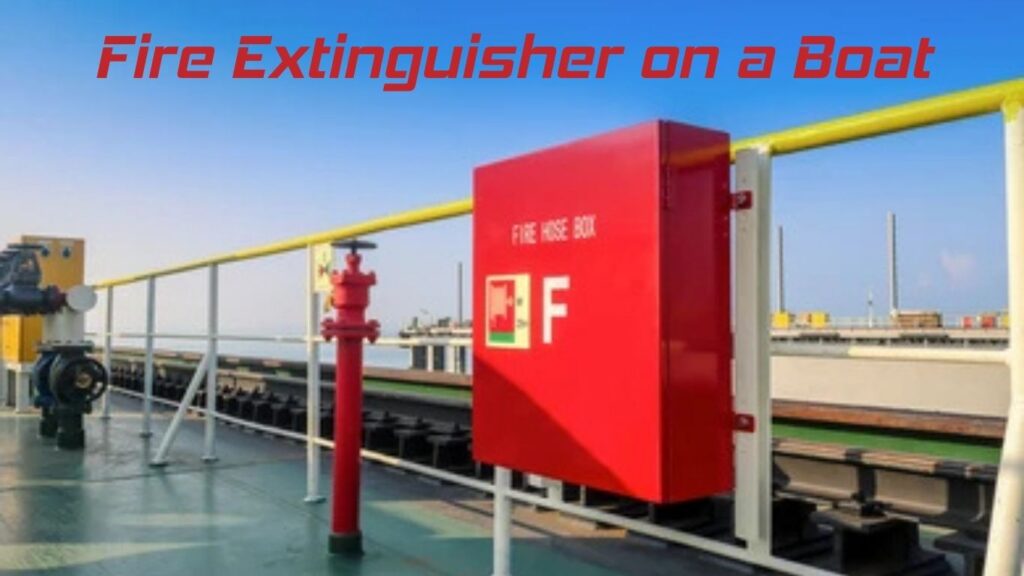
There is simply no better contentment ferreting the very ocean in one of the numerous and amazing boats we have, yet there are basic safety measures that must be in place, all the time. One such safety item that has to be carried on every type of a boat is a fire extinguisher. Even though fire incidents aboard a vessel or during any other boating activities are rare, the damage that can be caused by fire is still far-reaching due to the constraints of space, fuel, and lack of assistance at sea. Choosing a location to store your Fire equipment is one factor that must be considered key because fires can develop rapidly and having the right equipment readily accessible is very important. So in this article, we will tell how to properly stow a fire extinguisher on a boat, as well as the reasons for its proper dispensing, and how to choose the extinguisher for your boat.
Why Should a Fire Extinguisher Be Stored Properly?
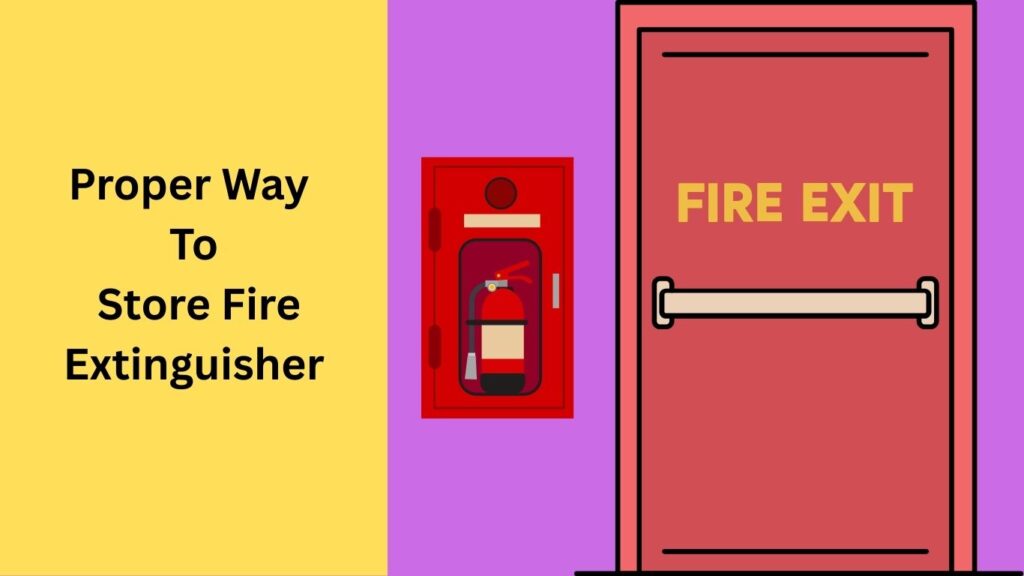
However, before looking at where Fire equipment can be located on a boat, it is good to first establish, why is it so important that Fire equipment are stored properly? Fire spreads quickly in small environments places like in the case of a boat fire. There are combustible items such as fuel, oil as well as chemicals making any fire even more problematic. Just having a fire equipment on board is not of importance unless it is readily available for use, I mean empty if it is kept within a case. The distance to the fire equipment can mean the difference between extinguishing a small fire, and fighting for one’s life.
In such instances, losing even a moment is too much. Another reason for proper storage is that the person within the space or anyone on board will be able to reach the extinguisher quickly. Marine environment, on the other hand, includes factors such as exposure to salt water, rain, humidity and constant bumping, these can either ruin the appearance of the extinguisher so it should be positioned to prevent this.
What Fire Extinguishers Are Used on All Boats?
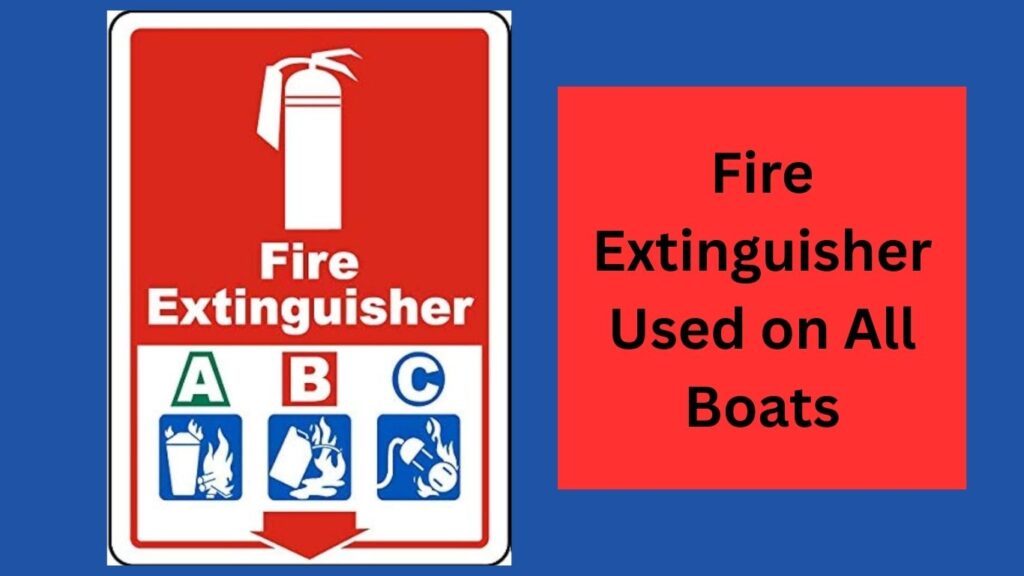
But before describing the most suitable storage options, it is important to discuss the different fire equipment and their operating principles. In essence, there are three types of fires that one can encounter on a boat:
- Class A Fires: These are fires that burn solid materials such as wood, cloth and paper
- Class B Fires: In this class we have flammable liquids that include gasoline, oil, grease and others.
- Class C Fires: This fire type generally involves fire from electrical apparatus’ such as wires and batteries.
As for boats, U.S. Coast Guard mandates that some classes of fire equipment mainly Class B and C as well as B Class for some boats depending on their size and purpose. For a majority of boats, multi-purpose fire extinguishers having all three classes of rating are the most preferred.
Coast Guard Regulations for Fire Extinguishers on Boats:
American Bureau of Shipping has laid down specific requirements for the number and type of fire extinguishers carried by different class of vessels. These rules have variations depending on the size and type of the boat:
- Generally, Boats under 26 feet in length require one B-I fire extinguisher.
- Boats spanning between 26 and 40 feet require two B-I extinguishers or one B-II.
- Boats between 40 and 65 feet generally require three B-I extinguishers or one B-II and one B-I.
It’s always a good idea to consult your local boating safety regulations to determine what the exact requirements are, since these have a tendency to vary with respect to their geographical region and kind of waterway they apply on.
Fire Extinguisher – How to Consider it when Storing it on Boats
When figuring out the optimal position of a fire extinguisher on your boat, the following things have to be taken into account:
Visibility and Accessibility:
The extinguisher must be adequately and readily seen and can be reached without struggle. It should not be kept in a locker or behind equipment that would hinder easy reach during an emergency.
Proximity to Fire Hazards:
These extinguishers should be placed close to potential sources of fire like the engine, galley or electrical panels even though the free standing extinguishers should not be placed at the center of the hazard.
Protection from the Elements:
Sadly, there are equipment or tools that will be utilized or used in harsh environments. It is necessary to protect the fire extinguisher from seawater, rainfall or exposure to sun for long hours because such things can alter its effectiveness.
Mounting and Security:
The fire extinguisher must be well secured using a strap or bracket that will hold the extinguisher in place while the boat is on the go. The attachment, however, must allow the fire extinguisher to be quickly detached to help in controlling fire if a situation warrants it.
Multiple Locations:
If the boat is of considerable size and people will be aboard the vessel and there is a possibility of a fire, extinguishers should be available in several places on board.
Best Places to Store Fire Extinguishers on a Blackjack Boat
Having gone through what these extinguishers are and the reasons why where to store fire extinguishers might differ among several boats, here are locations that could be very suitable for keeping fire extinguishers on a boat, how to dress away from paint hot tub:
- Near the Engine Compartment:
The engine is one of the places where fire could arise on the boat due, to the presence of fuel, oil and also heat. This also indicates that it is important to have a fire extinguisher near the access to engine compartment. It should be affixed to the inner bulkhead, outside the compartment but close by. In boats that are small in size, the engine compartment is normally positioned towards the rear, thus it is ideal to mount the extinguisher just outside the access panel or hatch. It is important here not to fix it so close to the engine where it will give off excessive heat.
- In the Galley or Kitchen Area:
Another place where fire danger arises is the galley or the kitchen. This is due to the use of so many cooking items and other heat sources like propane stoves. A fire arm like a fire extinguisher should as well be made available close to the galley or the kitchen area; however, it should not be placed right next to the stove in which case the extinguisher could suffer damage from the heat. Rather, place it on a nearby bulkhead or within a storage compartment that makes it easy to reach and is located close to the cooking area.
- Near the Helm Station:
The helm station being the control room of your yatch, it is very important to place a fire extinguisher in such a way that during an emergency, the captain will not have a problem accessing it. This is important as mounting an extinguisher near the helm enables the operater of the boat to manage any fire onboard, especially one that emanates from electrical accessories such as radios or wiring situated around the helm. Ensure that it is properly fitted ca products and remains within the elbow reach of the operating person.
- Below Deck Arrangement or Cabin Spaces:
If your boat has a cabin room that is under the Deck, it is vital to keep an easily reachable fire extinguisher within this area. In cabins where fires occur, the danger is more because of the enclosing walls and any combustible items such as beds, curtains, and woodworks. Place an extinguisher at a principle area below decks preferably near the coupler or the entrance so that it can be reached easily as the need arises.
- Near fuel tanks:
Fuel combustion fires are the most hazardous type of fear on a boat. When a compartment or a separate area inside your boat is allocated specifically for fuel, it is a good idea to keep a fire extinguisher away within this area or compartment; but to mount it closer would beat the purpose of keeping the compartment free from fire hazards. Try to put the fire extinguisher within the perimeter of the fuel storage area at the access point to the fuel tanks, which is appropriate to some extent out of reach of any fuel leaks or explosion ravages.
- Within Reach for Quick Recovery:
If the deck of larger boats is concerned, a fire extinguisher should be cased in a place that is available on the deck. Accidents happen and even the most unusual fire can start in the corners of your boat, and being able to get at an absolute minimum to an extinguisher quickly from any position on the boat could save many lives. It is ideal to place it in the middle of the boat design be it a bulkhead or on the side of a handrail, one that doesn’t take too much space but can still be seen by all people on the boat.
How to Properly Mount a Fire Extinguisher on a Boat
Its important to ensure that the fire extinguisher has been mounted correctly because the tubing will prevent the fire extinguisher from moving in any parts of the boat when it’s driving. Fixtures for the fire’s shield should be marine rated and with good economical construction and made of corrosion-free materials. This holds the extinguisher in place, such that there is no chance for the extinguisher to accidentally fall off.
Replace the mount and the extinguisher at certain intervals since a Marine backdrops tend to affect the efficacy of the system. It is very important to avoid such situations since their occurrences can unnecessarily put other people at risks from the fire because inadequate numbers of fire extinguishers will be available.
Fire Extinguisher Maintenance on a Boat
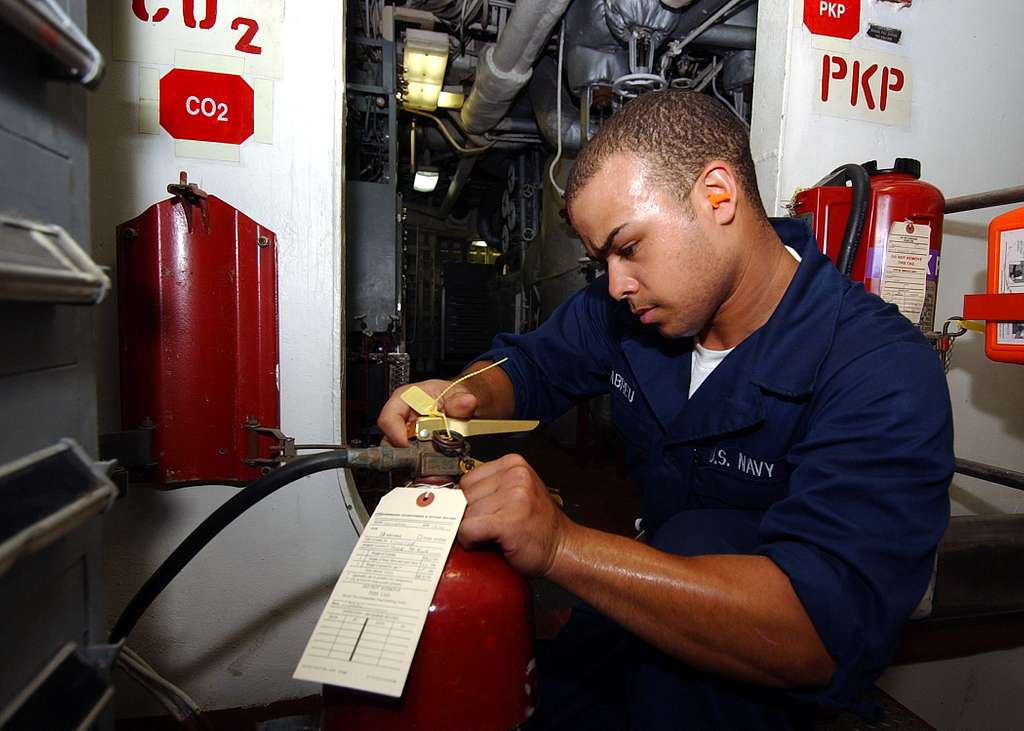
Keeping fire cramped on your boat includes proper positioning of fire extinguishers, but that is not the end of it. Preventive maintenance also needs to be performed regularly. Salt, humidity and other hostile factors present on boats make the extinguishers less effective over time.
- Monthly Checks: Fire extinguishers should be checked at least once every month. The pressure gauge should be in the green zone, the pin must not be missing, and the canister should show no signs of damage.
- Annual Servicing: Based on the type of an extinguisher you have, you may have to seek the assistance of a professional to service your extinguisher over the years. Some extinguishers can be refilled for continued use whilst others have to be replaced after some time has elapsed or after deployment.
- Proper Disposal: And whenever you buy new ones, please observe proper disposal procedures and throw away the old fire extinguishers such that they are not political dominated.
Conclusion
It can never be overemphasized how critical it is to have onboard, in the proper way, fire extinguishers. This can be the defining line between a small mishap and an entire catastrophe. The safety of every person onboard can be greatly enhanced if fire extinguishers are placed in areas that are close to fire hazard zones like the engine compartment, galley, helm and fuel tanks. The use of fire extinguishers should always be followed by the need to inspect and keep the fire suppressants in good working condition so that the facilities can be used at any other time. There’s nothing more important than safe boating, and this means obeying Coast Guard fire safety regulations, participating in the fire training exercise at regular intervals and teaching the right usage of a fire extinguisher to everyone on the boat. Safe boating, and have fun on the water!
Read our latest article about Fire Extinguisher: How to Better Use for Electrical Fires? . Any question regarding to this article please contact us.
Frequently Asked Questions (FAQs) :
Q1.Where should I store a fire extinguisher on my boat?
A fire extinguisher on a boat must be stored in a hazardous area which is easily reachable. Galley, engine room and places around the fuel compartment are some common places. These areas are most likely to be the center of fire incidents so having an extinguisher nearby ensures that quick action can be taken to prevent the fire from spreading. Do not keep it in areas that make accessing it difficult during emergencies like heavy protective clothing or locked compartments.
Q2.Can I store the fire extinguisher in a cabinet?
A fire extinguisher can be placed in cabinets as long as the cabinets are not locked. It must have some kind of labels so that people on the boat can identify it instantly. The cabinet should not be locked or difficult to open in a hurry which makes it streamlined. While a fire incident can occur at any given moment, this line of thinking will greatly reduce the chances of a hazardous event happening and improve the overall safety of the boat, ultimately protecting lives.
Q3.How many fire extinguishers do I need on my boat?
The type and size of your boat directly impacts the required number of fire extinguishers. As U.S. Coast Guard rules indicate, boats less than 26 feet in length generally need at least one B-I type fire extinguisher. For boats between 26 and 40 feet, two B-I extinguishers or one B-II extinguisher may be needed, with larger vessels potentially requiring even more. Always verify local and federal regulations to ensure compliance and safety requirements.
Q4.Should fire extinguishers be mounted on a boat?
Yes. The fire extinguishers onboard need to be affixed with proper brackets so that they can be properly secured. Bracket storage not only avoids damage to the extinguisher, but also keeps it safe from the movement or rough weather encountered while the boat is in motion. Storing fire extinguishers in brackets also allows them to be readily accessible during emergencies instead of having to search in drawers or compartments.
Q5.Can a fire extinguisher be stored outside on a boat?
A fire extinguisher can be kept outside on a boat, as long as it is specifically designed for marine use and is weatherproof. Standard extinguishers can be affected by salt water, UV rays, and extreme temperatures. If you need to place the extinguisher outside, use a weatherproof case to shield it from the elements. Units stored outside need to be inspected regularly to make sure they are not tampered with, functional, and free from corrosion.
Q6.How often should I check my boat’s fire extinguisher?
Checking the pressure indicator on a boat’s fire extinguisher is best done every month. It is important to check if the needle is in the green zone, the pin is unbroken, and there is no rust, corrosion, or leakage. Additionally, check if the mounting bracket is still tight and the extinguisher is in the proper position. Depending on the type of extinguisher, professional maintenance might be needed once a year.
Q7.Do fire extinguishers expire?
Indeed, all fire extinguishers have a set expiration. Depending on the manufacturer and type, most fire extinguishers have a lifespan of anywhere from 5 to 15 years. Though the gauge might read ‘full,’ older extinguishers may be completely useless due to internal aging. Always check the manufacture or expiration date on the label, and replace any unit that is expired or damaged. Regular upkeep increases the likelihood that the fire extinguisher will function when it is needed.
Q8.What type of fire extinguisher is best for boats?
The most appropriate fire extinguisher for boats is the Class B or multi-purpose (A:B:C) extinguishers which are marine rated and Coast Guards approved. Class B extinguishers are designed to combat fires involving flammable liquids, such as gasoline, oil, or diesel—common in boat environments. Multi-purpose extinguishers are broader in scope, and include solid combustibles, termed Class A, and electricity powered equipment, denoted Class C. For reliability on water, look for marine extinguishers that have non-corrosive metal bodies and a UL Marine rating.
Q9.Can I store a fire extinguisher near the fuel tank?
Storing a fire extinguisher in close proximity to the fuel tank is ill advised. The idea is to keep the extinguisher within easy reach, but not too close so as it becomes compromised in the event of a fire. Your fire extinguisher should be mounted close enough that it can be accessed safely even when there is a fire. Avoid places that may become blocked off or hazardous due to heat or smoke during a fire.
Q10.Is it necessary to label fire extinguisher locations on a boat?
Indeed, marking the fire extinguisher positions onboard the boat is helpful – more so for larger boats or for vessels with multiple sections. Signage or labels would enable crew and passengers to locate the fire extinguishers within the shortest possible time, even if they are panicking. For commercial or charter vessels, labeling may also be required by maritime safety regulations.
Q11.Should each passenger know where the fire extinguisher is stored?
Every individual on board must understand how to properly operate and utilize a fire extinguisher onboard the aircraft. Prior to departure, a concise safety briefing should be done which includes Mounting positions of fire extinguishers alongside their operational instructions using the PASS method (Pull the pin, Aim at the fire’s base, Squeeze, Sweep to side): Pull the pin, aim, squeeze, and sweep. During emergencies, the right preparation reduces panic and response delays.
Q12.Can I use a home fire extinguisher on my boat?
It’s not advisable to use land based fire extinguishers, even though the temptation to do so may be strong. These portable fire extinguishers, due to their compact size, face unique challenges in marine environments, including salt water exposure, vibrations, and confined spaces. Aside from Salt exposure, portable fire fighting devices are built to withstand harsh conditions such as marine fire extinguishers which are also designed to meet Coast Guard standards. Unlike home models, they are equipped with mounting brackets and made with corrosion resistant materials. When it comes to onboard use, certified marine extinguishers should always be prioritized.
Q13.What’s the difference between B-I and B-II fire extinguishers?
B-I and B-II designations pertain to the type of marine fire extinguishers and their size and capacity. A B-I extinguisher is smaller and typically has around 1.25 gallons of foam or dry chemical agent. A B-II extinguisher is larger with about 2.5 gallons. Exchanging vessels will require more extinguishing power. The U.S. Coast Guard has a minimum sized extinguisher based on length and engine configuration.
Q14.Are there automatic fire extinguishers for boats?
Yes, there are automatic fire extinguishers for boats, particularly in the engine compartment. These systems are self-activating at a certain high temperature threshold and release suppressants without the need for any manual action. Though these systems are not replacements for portable extinguishers, they add extra protection in enclosed spaces such as around engines that are difficult to access.