
Using a generator particularly in homes, offices or industries poses the risk of production of electricity that is not reliable and stable and therefore a power conditioner becomes necessary. For instance, a power conditioner for a generator can spell the difference between uninterrupted performance or avoid damage to valuable electronics or appliances. This thorough guide will focus on what power conditioners are, their importance, effectiveness and how to select the appropriate one to your needs.
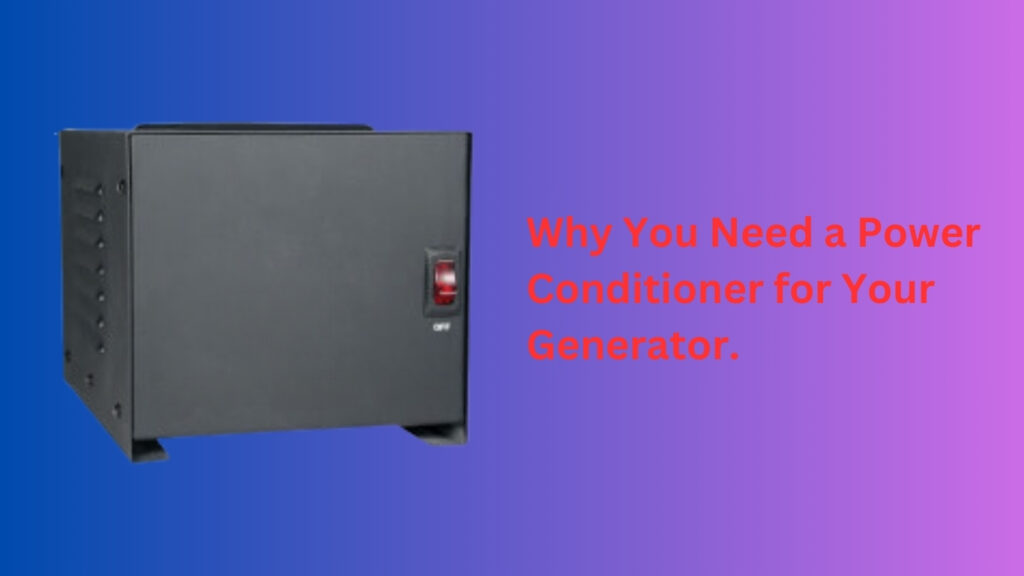
What is A Conditioner for a Generator?
A conditioner is referred to as a surge suppressor, a typical power quality instrument, whose main function is to avoid power supply quality degradation due to fluctuations in the mains voltage. Together with the generator, a power conditioner makes sure that the quality of electricity coming out is stable, clean and safe for various devices. Power conditioners control the voltage, eliminate noise and surges, and suppress spikes to prevent harm to sensitive instruments such as computers, televisions, biomedical devices, central heating and cooling systems, and so on.
This equipment is very helpful in case there are human instigated or natural blackouts but the problem arise with some that do not produce stable power especially the lower quality types. Due to this very reason is why a power conditioner is necessary – it means that the generator power can be relied upon in the same way as that from an electric grid.
Why is a Power Conditioner Necessary ?
It is well understood that every modern generator is expected to be able to have a sine wave output voltage. This inconsistency may mean an over or under voltage or a fluctuation in power which can have adverse effects on delicate electrical components. Thus, it is sometimes advisable to use a power conditioner which normalizes the power output and therefore protects the devices.
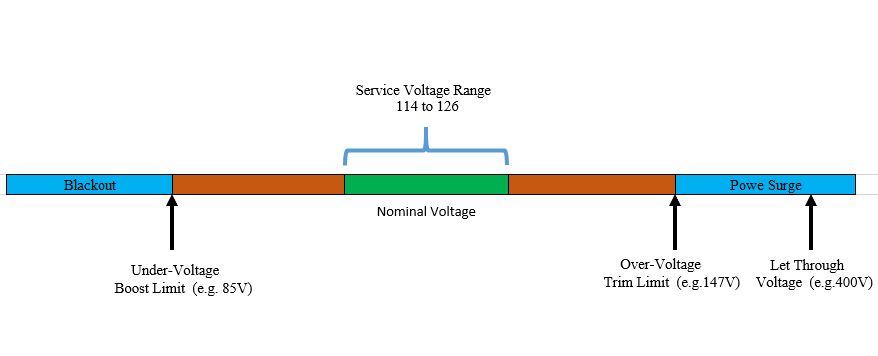
Nominal voltage refers to the standard or target voltage level for a power system, but in reality, the actual voltage can vary. For example, in North America, the nominal voltage is 120V, yet it’s uncommon to receive exactly that at an outlet. Utilities aim to keep voltage within ±5% of the nominal value—typically between 114V and 126V. In regions with a 230V standard, such as Europe and parts of Asia, the acceptable range is usually 228V to 252V. However, overvoltage and under voltage conditions beyond this range can still occur due to various factors like demand fluctuations, aging infrastructure, or weather events.
Key Reasons to Use a Conditioner:
Voltage Regulation:
Generators handle different electrical loads and in so doing generated voltage from them is never constant. Switching devices also enhance the power conditioners’ characteristics by providing flat wires free of over/under voltage.
Surge Protection:
Natural disasters like hurricanes, thunderstorms, and earthquakes cause surges and spikes when power generation systems are installed. Poor power management raises pollution levels in voltage regulators and power conditioner designs. Surge monitors absorb these and protective devices.
Noise Reduction:
Distortion or power electronics sudden drastic changes, such as changes in power source, electrical components, and operating load in a short period can increase electric noises. The Operating Power Conditioner to eliminate this distortion.
Prolong Equipment Lifespan:
By ensuring that your power is stable, power conditions guarantee the electronics or appliances will last longer and cuts off the excess cost of repairing or replacing them.
Enhanced Performance:
As with many computing devices, performance improves when the devices are powered by cleaner or stable power sources.
How Does a Power Conditioner Work?
The conditioner primarily functions by organizing and refining the electric output from a given source. It normally contains several units that each carry out a different purpose to ensure delivery of safe and consistent power.
Key Components of a Power Conditioner:
- Voltage Regulator: This part ensures that there are no fluctuations in voltage. It acts to constrain the maximum and minimum voltage level for generators that varies.
- Surge Suppressor: Surge suppressors divert or absorb excess voltage caused by power surges or spikes, preventing damage to connected devices.
- Noise Filter: Generators emit electrical noise; such noise may hinder the performance of delicate equipment. The power that contains noise is filtered out by the noise filter and its EMI and RFI interference is reduced.
- Line Conditioning: Line conditioning ensures that the generated sine wave is free of abrupt and wasting interruptions, this a crucial requirement for devices that need usage of pure sine wave power.
Types of Power Conditioners for Generators:
Many types of conditioners address the need for specific power conditioning solutions. Some models may be more effective in certain arrangements or equipment targets than others depending on the configuration. Below are the most common types of power conditioners:
1. Basic Power Conditioners
These are low-end designs which concentrate on elimination of electrical noises and limited voltage modification. They cannot accommodate sensitive devices and appliances but for low-end consumers gadgets they are fine.
2. Automatic Voltage Regulators (AVR)
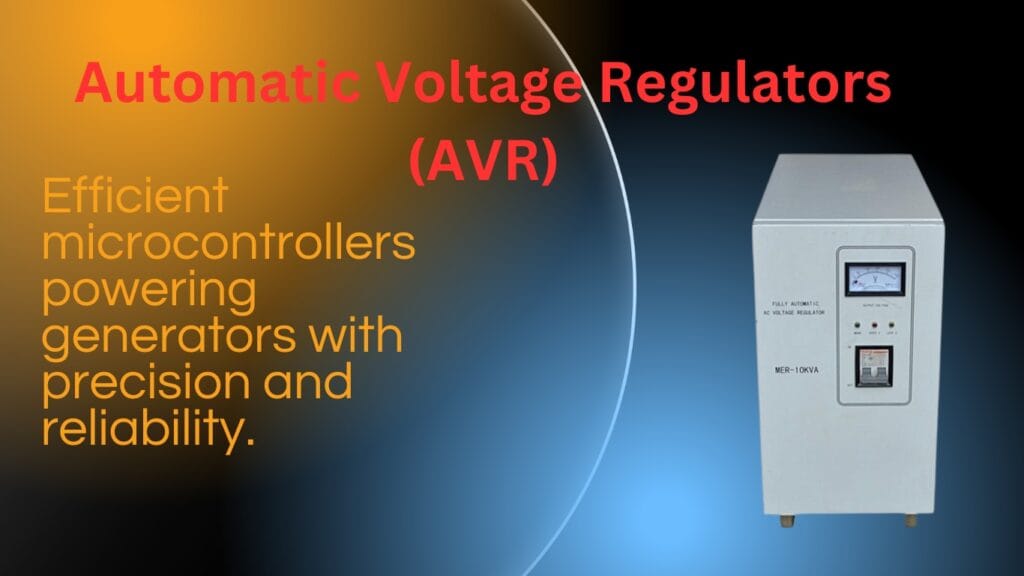
AVR provides superior voltage control through an active means of altering output voltages to accommodate any deviations from that of the generator. Such conditioners can be used in areas where the voltage all the time goes up or down faster than normal voltage levels are generally supposed to be safe.
3. Line Interactive Conditioners
Such equipment works under active effort on mild power surges or power fluctuations. They support constant voltage maintenance and find application in private homes, business centers and administrative offices.
4. Pure Sine Wave Conditioners
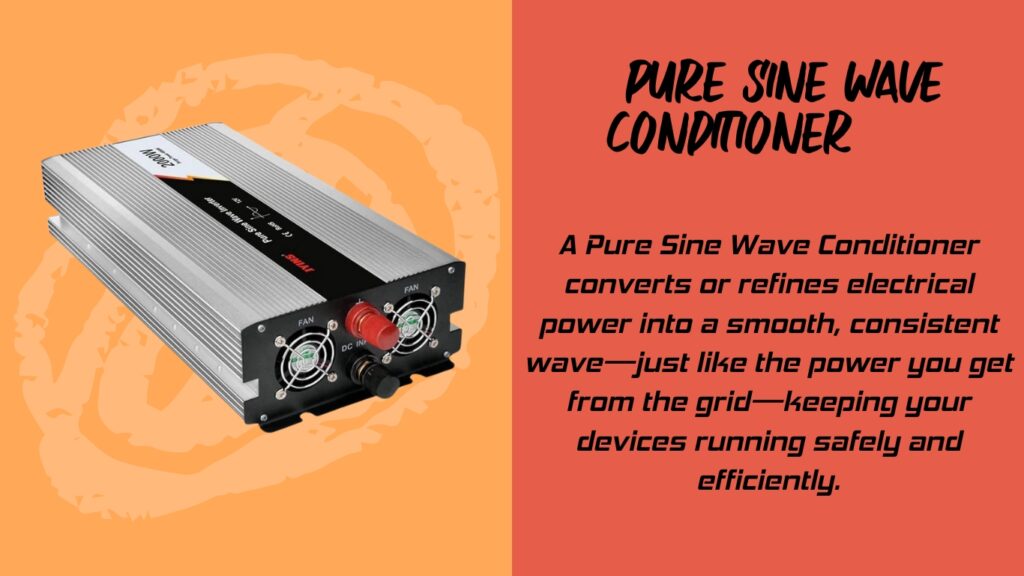
Pure sine wave conditioners ensure production of electricity that resembles a pure sine wave as much as possible, which is very important in electricity powering sensitive equipment such as medical equipment, computers, AV.
5. Uninterruptible Power Supplies (UPS) with Conditioning
A few of the UPS configurations include built-in power conditioning features. It provides additional protection by supplying power through the battery when the generator fails or during variations in voltage parameters.
How to Choose the Best Power Conditioner for Your Generator
The choice of the appropriate power conditioning device for the generator is not a simple task as it involves a lot of factors. Solutions can differ from one another basing on the environment, what is being protected, and what the client needs.
Determine the Generator Type
Consider the type of generator you intend to use now before buying a power conditioner. This is because portable generators may produce variable voltages, which can call for the use of high-end conditioners, as opposed to standby generators.
Evaluate Power Requirements
Identify every device that you would want to connect to the generator and asses their individual ratings. Capacity of the power conditioner should be observed to allow for fully avoiding overloading the equipment.
Check for Voltage Regulation
In the event that your generator swings in power voltage, make sure to choose a conditioner which has an automatic voltage regulation (AVR). Doing this will help at all times to provide voltage to the equipment in consideration of any such voltage fluctuations.
Pay Attention to Surge Protection
If you are in an area that is susceptible to such situations, then you will definitely need a power conditioner which has surge suppression capabilities. This will prevent delicate electronic components from being affected by the surges of voltage.
Look for Noise Filtering
In a power conditioner, it is always necessary to have noise filtering capabilities for such uses as audio-visual set up, recording studios, or even if EMI or RFI poses nuisance or encumbrance.
Backup Power (UPS)
If you are in a sensitive situation and therefore you cannot afford to have any loss of power, it would be best if you acquired a power conditioner with a back up power supply feature. This will enable all devices to continue operating even when power from the generator is temporarily interrupted.
Top Brands and Models of Power Conditioners for Generators
There are some of the best power conditioners for use with generators. Each has its own advantages and comes in unique forms.
1. Tripp Lite LC2400 Line Conditioner
Tripp Lite is known for its high-quality power management products. The LC2400 offers excellent voltage regulation and surge protection, making it ideal for sensitive electronics.
2. Furman P-1800 AR Advanced Voltage Regulator
Furman is a popular choice for those seeking noise-free power in audio-visual setups. The P-1800 AR provides automatic voltage regulation, surge protection, and noise filtering, making it a versatile solution.
3. APC Line-R 1200VA Automatic Voltage Regulator
APC is a trusted name in power conditioning. The Line-R 1200VA provides automatic voltage regulation and surge protection, ensuring stable power for small businesses and homes.
4. Cyber Power CP1500PFCLCD UPS System
For those seeking a UPS with built-in power conditioning, the Cyber Power CP1500PFCLCD offers sine wave output, surge protection, and battery backup in case of generator failure.
5. Panamax MR4300 Power Line Conditioner
Panamax is renowned for its high-quality power conditioning and surge protection. The MR4300 is particularly well-suited for home theaters and AV equipment, offering robust protection and noise filtration.
Benefits of Using a Power Conditioner with Your Generator
There are many advantages of employing power conditioners along with generators, the onset being the safeguarding of delicate appliances and a constant and uninterrupted supply of power to all systems. Here are some of the top benefits:
Protection from Power Voltage Fluctuation
Equipment especially electronics can be damaged by sudden or periodic changes in the generator output voltage. It helps in absorbing the voltage spikes and sags and a myriad of voltage drift.
Extended Equipment Lifespan
By delivering stable and clean power, power conditioners prevent premature wear and tear on electronics, prolonging their lifespan.
Reduced Electrical Noise
There have been unreasonable attempts at eliminating noise using internal power filtering systems, increasing electrical bases or qualitatively slandering passive volumes. Power line conditioners remove such noise improving the performance of such devices.
Increased Level of Safety
When protecting everything from earthing and surge counter action, wire well-constructed and enclosed features may enhance protection against fire outbreak and short-circuit or equipment hindrance.
Makes the Generator More Efficient
The inverter type of generators when used with power conditioners are generally running smooth and hassle free because the power conditioners take care of voltage spikes, thus reducing stress on the generator components and their internal circuits.
Final thoughts: Is a Power Conditioner Required for the Generator System?
In doing so, there are some instances where having a power conditioner for your generator is not optional, but actually a common requirement, particularly for people who use delicate devices, or are prone to power outages. A good power conditioner will make sure that the generator is able to deliver consistent, electricity free from impurities so as to avoid further damage to the tools and extend their use.
Whether it is your home, office or industrial equipment that you want to safeguard, it makes sense to spend on a good quality power conditioner depending on the generator to avert worries and any more future costs. When seeking the best power conditioner for your equipment, ensure there is surge protection, noise filtration, and voltage regulation.
Stop damaging your electronics, boosting the operating machineries of the generator and seeking the smooth running of your equipment by using a suitable power conditioner for your generator.
Read our latest article about Transformer Protection Basics: Everything You Need to Know
Frequently Asked Questions (FAQs) on Power Conditioner for Your Generator and How to Choose One.
Q1.What is a power conditioner for a generator?
In the case of a generator, a conditioner is a device that improves the standard of power in a power generator. It eliminates electrical interference and harmful power spikes or fluctuations to ensure steady voltage, protects devices from electric noise, and provides proper filtration. In some cases, non-inverter generators exhibit “dirty” power output, which can be detrimental to sensitive equipment like home theater systems, computers, or medical devices. Power conditioners help in avoiding long-term damage to these devices by ensuring the supplied power is clean and secure.
Q2.Do I need a power conditioner for my generator?
If you operate sensitive devices that require clean and steady power, a power conditioner is necessary. Because of the voltage spikes, fluctuations, or harmonic distortions, generators may sometimes be problematic for electronics. Irregular power supply can damage precision equipment such as medical devices, home theaters, and computers, hence a power conditioner is vital. However, if a generator is only being used for basic lighting or powering small household appliances, a power conditioner is not a necessity but can still act as added protection.
Q3.How does a conditioner work with a generator?
A power conditioner’s function is to stabilize the output voltage from the generator, filtering electric “noise”. Generators, particularly of the mechanical sort, tend to have fluctuating voltages which may pulses of power – surges – that pose risks to sensitive equipment. A power conditioner guarantees that voltage always succeeds or remains within a certain threshold, in-range of appliances. A power conditioner also decreases the “noise” in a current that can affect sound or video and audio quality. It should be noted that some conditioners are equipped to deal with surge protection so that sudden intrusive high voltages are kept at bay in order to protect devices.
Q4.Can a power conditioner improve generator efficiency?
It does not appear that incorporating a power conditioner into an appliance indefinitely increases the value or output for a device utilizing fuel, but there are suggestions that claim to improve output, if not fewer surges and cleaner output, which results in more stable voltage. While avoiding noisy interruptions, the generator stands the chance of supporting the appliances better with overcoming stress from exerted electricity. This improves the devices’ performance while averting wear and tear from strain while easing the stress experienced by the generator enabling it to function optimally and stabilize the energy output.
Q5.What’s the difference between a power conditioners and a surge protector?
Although both a conditioners and a surge protector serve to protect electric devices, they go about it in different manners. A surge protector guard against damaging impacts of power surges like lightning strikes or issues with the power grid. In contrast with a power conditioner which offers more comprehensive protection by also stabilizing voltage, filtering out electrical noise, and regulating power fluctuation. A power conditioner defends sensitive equipment by providing consistent power output. A surge protector does all of this but with less complexity and is one of the components to a power conditioner.
Q6.Are power conditioners necessary for inverter generators?
Unlike conventional generators, inverter generators are believed to produce cleaner power. This is because they emit more stable voltage and less electrical noise. Sensitive electronics are less likely to be damaged which makes using a power conditioner unnecessary. However, when the goal is to make the most of protective devices, a power conditioner is prudent to ensure further noise filtering, especially when the generator is under heavy load.
Q7.How do I choose the right power conditioner for my generator?
While choosing a power conditioner, take into account the output power of your generator and the kind of appliances you wish to use it with. Select a power conditioner that is adequate to meet the wattage of your generator. A suitable power conditioner also has features like voltage regulation, surge protection, and noise filtering. A small-scale residential use will require moderate capacity for a power conditioner with surge protection. A high-capacity model with voltage regulation and extensive noise filtering might be required for more sensitive systems. Do not forget to check the compatibility of the device with the generator’s voltage and amperage.
Q8.Can I use a power conditioner with a portable generator?
Yes, it is possible to use a power conditioner with a portable generator. This becomes even more helpful when electronics, medical equipment, or sound systems are being powered by a portable generator. The portable generators are prone to giving out inconsistent power. Inconsistent power can lead to damage of delicate devices. A power conditioners can help stabilize the output and safeguard the appliances. Therefore, a power conditioners is a practical purchase for anyone looking to use a portable generator in their campers, RVs, or for backup power.
Q9.Do power conditioners protect against brownouts and overvoltage?
Yes, in the context of power conditioners, protecting against brownouts (voltage drops) and overvoltage (voltage surges) is within its scope. It regulates the input to make certain that the voltage does not go below a safe level and not above a danger zone. Appliances often underperform because the power supply to them is relatively low, that is the case with brownouts. Overvoltage, on the other hand, refers to the excessive voltage staying for a long time which can severely damage electronic components. Power conditioners filter out all of these problems and ensure that there is uninterrupted and clean power supply to the devices irrespective of the condition of the generator.